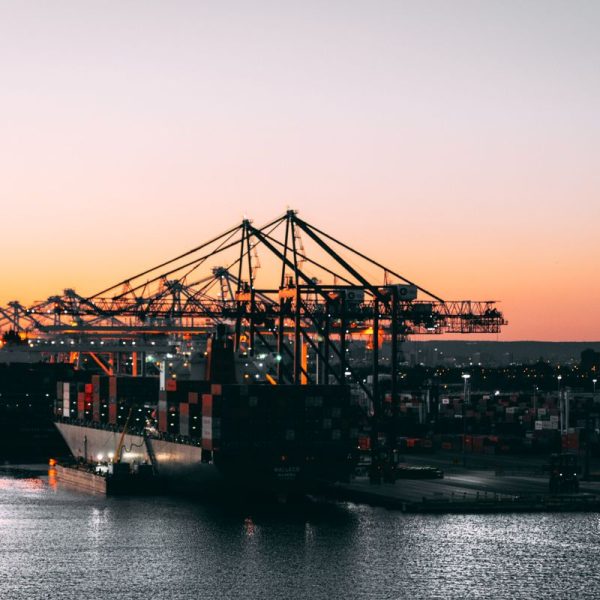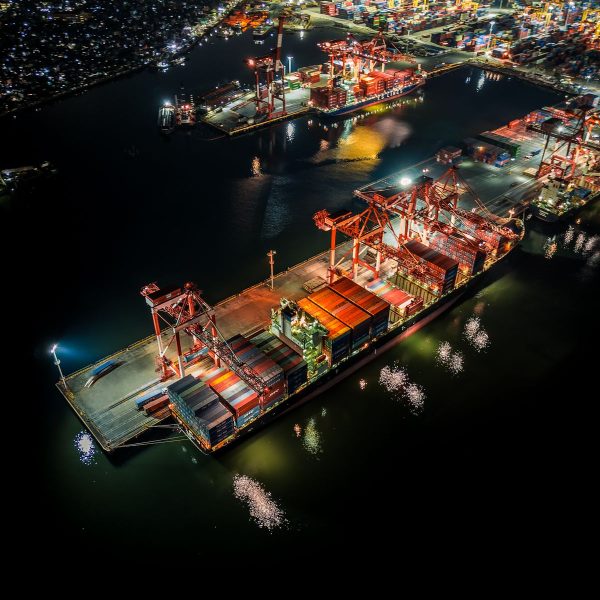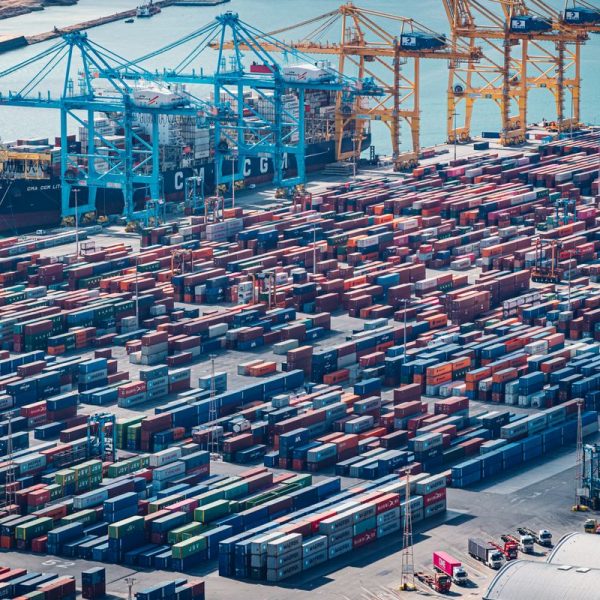
An import export company shipping its first container to a new port discovered that a mistranslated customs declaration had triggered a two week hold before a logistics manager finally traced the delay back to the translated shipping documents.
Why Customs Paperwork Punishes Careless Translation
Import export companies expanding across borders often assume any bilingual clerk can translate a customs declaration with precision. Shipping documentation carries exact tariff codes and regulatory phrasing that a generalist rarely reproduces with the accuracy a customs officer actually expects during inspection.
Companies that discover this gap after a shipment departs often watch a routine container face unnecessary delays because nobody can confirm whether the translated declaration matches the standard local customs authorities actually require.
Working With Real Customs Documentation Translation
Import export companies preparing shipping paperwork across languages increasingly rely on genuine customs documentation translation handled by linguists who understand the exact tariff codes a customs officer actually expects to see in every declaration.
A structured provider also keeps a consistent terminology record across every shipment so product codes and origin certificates stay aligned instead of drifting between ports and carriers.
Reaching Drivers With Real Driving License Translation
Logistics companies preparing paperwork for drivers relocating between regional depots increasingly need dedicated driving license translation handled by linguists who understand regional formatting requirements rather than a generic vendor unfamiliar with local phrasing.
A provider without this specific regional understanding may produce a translation that reads correctly yet still misses the nuance a hiring manager genuinely expects from a serious relocation package.
What Separates A Clean Shipment From A Delayed One
The difference rarely shows up during the initial booking itself. It shows up days later at the border when an officer asks a question the translated paperwork never actually answered.
A clean shipment runs every tariff line through a linguist familiar with customs terminology rather than treating each translated code as a simple word for word swap between two languages.
A delayed shipment treats translation as an afterthought handled by whoever happens to be available before a departure deadline. This approach may work for an internal draft but consistently fails once a customs officer compares it against the actual cargo.
Building A Vetting Process Before Shipment Volume Rises
A short trial engagement on a single container often reveals more about a customs translation partner than a lengthy proposal document ever could.
Logistics companies evaluating a new translation partner should request a sample declaration reviewed against actual tariff conventions rather than accepting a polished pitch that reveals little about accuracy under real customs scrutiny.
Asking how a provider tracks evolving tariff standards and disclosure requirements reveals whether they maintain current knowledge of what a serious shipment under global logistics conventions must deliver across each port involved.
Training Operations Teams To Spot Translation Risks Early
Teams who understand basic signs of a risky translation catch problems long before a container ever reaches a port. Inconsistent tariff terminology should never survive an internal review unnoticed by either side of the process.
Customs delays are usually paperwork delays, and the paperwork usually fails on certification rather than content. Goods moving into Britain need documentation that meets a specific standard of attestation before anyone assesses what is in the shipment. This guide to certified translation uk covers the requirements that keep freight moving.
Customs delays are usually blamed on paperwork volume when the real cause is a description that does not match the classification code. Precision of that kind is a translation problem long before it is a logistics one. The same failure mode appears in research, where poor technical translation services turn a reproducible method into an unrepeatable one.
Logistics companies that run a short internal check of translated declarations often notice fewer customs holds and far smoother clearances across every new route they add over time.
The Hidden Cost Of Weak Customs Translation
Weak customs translation rarely causes damage that stays contained to one shipment. The real cost surfaces later when a client starts avoiding every future route from that same carrier after one jarring delay.
Correcting this kind of reputation after the fact costs far more than establishing a reliable translation process before the first container ever reaches a border.
Preparing Documents Before A Departure Deadline
Logistics companies that gather every declaration and origin certificate days ahead of departure give their language partner enough time to verify tariff codes while the global logistics industry keeps expanding every year.
A short planning call at the start of a shipping cycle often uncovers additional customs requirements that would otherwise surface too late for proper handling once a container is already scheduled for departure.
Reviewing Translation Habits On A Regular Schedule
Logistics companies that revisit their translation workflow only after a hold surfaces tend to repeat the same mistakes every few months. A regular review catches drift before it turns into a delayed shipment.
A short check of tariff consistency across recent declarations often reveals small inconsistencies that a busy operations team would otherwise miss until a customs officer flags them during an unrelated review of active manifests.
Setting Realistic Timelines For Every New Route
Logistics companies that rush a translation schedule to hit an arbitrary departure date often sacrifice the review pass that would have caught an awkward code before a customs officer ever read it. A realistic timeline treats customs translation as a core operations step rather than a task squeezed into whatever days remain before departure.
Building in extra review time for a first shipment on a new route pays off across every future container on that same route because early terminology choices shape the workflow a logistics team will reuse for years.